Sarcoma
Overview
Sarcoma is a rare type of cancer that develops in the body's connective tissues, including muscle, fat, blood vessels, nerves, tendons, and bone. It can occur anywhere in the body, though it most often begins in the arms, legs, or abdomen.
There are two main categories of sarcoma: soft tissue sarcoma, which starts in the soft or connective tissues, and bone sarcoma, which begins in the bones. Together, these include more than 70 different subtypes.
Because sarcomas can develop in many parts of the body, treatment depends on the specific type, location, and stage of the disease. Early diagnosis and specialized care are key to improving outcomes.
Signs & Symptoms
Because sarcomas can develop almost anywhere in the body, symptoms can vary depending on where the tumor forms. In the early stages, sarcoma may not cause noticeable symptoms, but as it grows, it can affect nearby tissues or organs.
Common signs and symptoms may include:
- A lump or swelling that increases in size, it may or may not be painful
- Pain or tenderness, especially if the tumor presses on nerves or muscles
- Bone pain, fractures, or limited movement if the cancer begins in bone
- Abdominal pain or fullness if the tumor grows in the abdomen
- Fatigue or unintentional weight loss
If you notice a lump that is growing, painful, or deep in the tissue, it's important to have it evaluated by a doctor.
Causes
The exact cause of most sarcomas is unknown. Sarcoma develops when healthy cells in bone or soft tissue acquire changes in their DNA that cause them to grow uncontrollably and form a tumor.
Over time, these abnormal cells can invade nearby tissues or spread to other parts of the body. While certain inherited conditions or past radiation exposure can increase risk, most sarcomas occur without a clear cause.
Risk Factors
While the exact cause of most sarcomas is unknown, certain factors can increase the risk of developing the disease.
- Inherited syndromes: Genetic conditions such as familial retinoblastoma and neurofibromatosis type 1 can raise the risk of sarcoma.
- Previous radiation therapy: Radiation treatment for other cancers may increase the likelihood of developing sarcoma later in life.
- Chronic swelling (lymphedema): Long-term swelling caused by lymph fluid buildup can increase the risk of angiosarcoma, a rare type of sarcoma.
- Chemical exposure: Exposure to certain industrial chemicals or herbicides may increase the risk of sarcomas affecting the liver or other tissues.
- Viral infections: Infection with human herpesvirus 8 (HHV-8) can lead to Kaposi's sarcoma, particularly in people with weakened immune systems.
Types of Sarcomas
![]() |
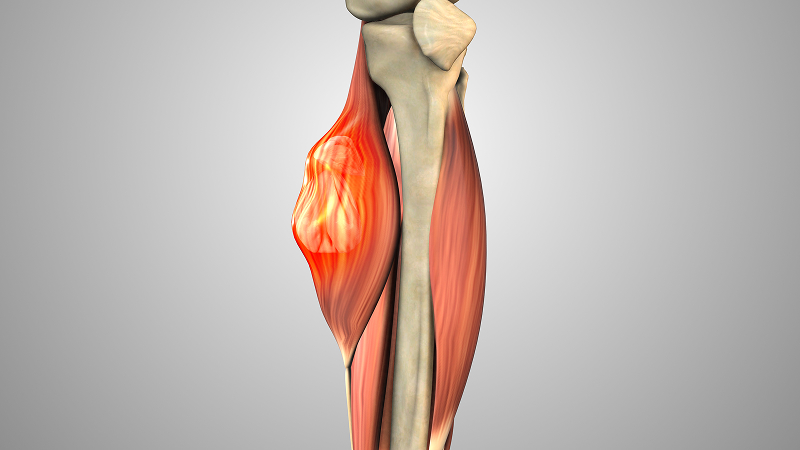
Soft tissue sarcoma develops in the body’s connective tissues, including muscle, fat, nerves, tendons, and blood vessels. It can occur anywhere in the body, but most often appears in the arms, legs, or abdomen. Early detection and treatment, which may include surgery, radiation therapy, or chemotherapy, can improve outcomes. |
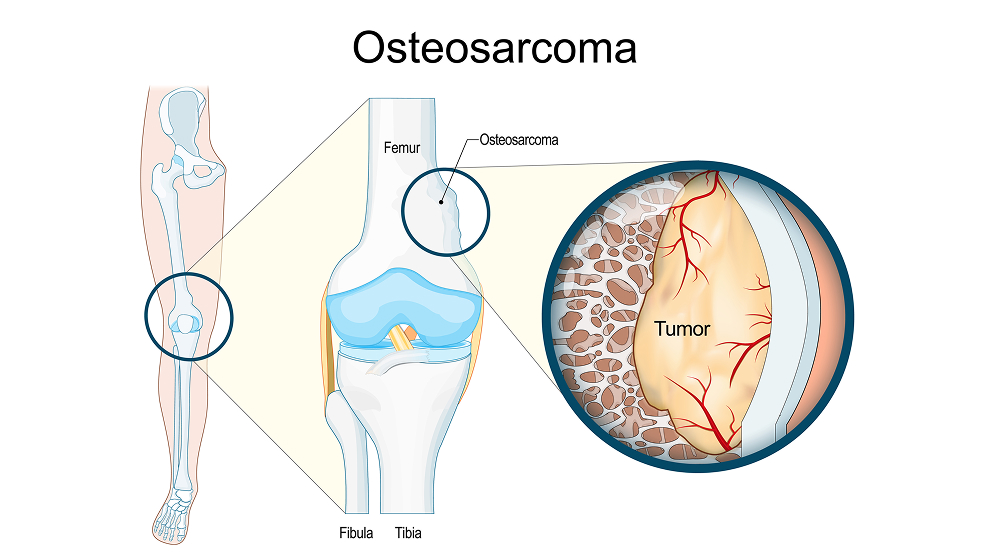
| Bone sarcoma, also called osteosarcoma, begins in the cells that form bone. It most often affects the long bones of the arms and legs, particularly in children and young adults. Treatment often involves surgery and chemotherapy to remove the tumor and prevent spread. |
|
![]() |
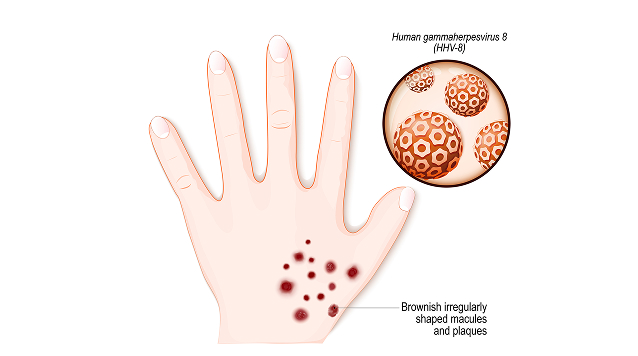
Kaposi’s sarcoma is a rare cancer caused by infection with human herpesvirus 8 (HHV-8). It typically affects the skin, mouth, lymph nodes, or internal organs and is more common in people with weakened immune systems. Treatment focuses on managing the virus and controlling tumor growth. |
Treatments & Services
Treatment Options
Treatment for sarcoma depends on the specific type, location, and stage of the cancer. Because sarcomas can form in many parts of the body, care is often highly specialized and may include a combination of therapies
Services Options
Comprehensive support services help patients manage side effects, maintain strength, and navigate every stage of care. These services are designed to improve comfort, recovery, and overall quality of life
Find Care
If you’ve been diagnosed with sarcoma or are experiencing symptoms, connecting with a specialist is an important next step. Find a provider or location near you to learn more about diagnosis, treatment options, and ongoing support.
Our Locations
We offer locations across the DFW metroplex so you can receive leading cancer care and support close to home.
Our Care Team
Get to know the compassionate experts who guide your care with a whole-person approach—spirit, mind, and body.
Request an Appointment
Contact us to request an appointment or ask a question below. For emergencies call 911 or visit your nearest hospital.