
Colon Cancer
Overview
Colon cancer starts in the large intestine, or colon, the last part of the digestive tract. It most often develops in adults over 50 but can occur at any age. The disease typically begins as small, noncancerous growths called polyps on the inner lining of the colon. While most polyps are harmless, some can slowly turn into cancer over time. Because polyps usually cause few or no symptoms, regular screening is the best way to detect and remove them early, before they become cancerous.
Colon cancer is sometimes referred to as colorectal cancer, a term that includes cancers of both the colon and rectum.
Our colon cancer specialists use the latest, evidence-based technologies and treatments to provide advanced, personalized care. From early diagnosis to recovery, our multidisciplinary team is with you every step of the way to guide, support, and treat you with expertise and compassion.
Signs & Symptoms
Colon cancer can cause a range of symptoms, especially as it progresses. Common signs may include:
- A persistent change in bowel habits, such as ongoing diarrhea, constipation, or a change in stool consistency
- Rectal bleeding or blood in the stool
- Persistent abdominal discomfort, including cramps, gas, or pain
- A feeling that the bowel does not empty completely
- Weakness or fatigue that doesn't improve with rest
- Unexplained weight loss
Causes
The exact cause of colon cancer isn't fully understood. In most cases, the disease begins when healthy cells in the colon develop changes (mutations) in their DNA, the genetic instructions that tell cells how to function.
Normally, cells grow and divide in a controlled way to keep your body healthy. When DNA damage occurs, cells can begin to grow and divide uncontrollably, even when new cells aren't needed. Over time, these abnormal cells can build up and form a tumor in the colon.
If left untreated, cancer cells may grow into nearby tissues or spread to other parts of the body, a process known as metastasis.
Risk Factors
Several factors can increase the risk of colon cancer. Having one or more doesn't mean you'll develop it, but awareness helps with prevention and early detection.
- Age: Most cases occur in adults over 50, though rates are rising in younger adults for reasons not yet clear.
- Race: African Americans have a higher risk than people of other races.
- Personal history: Previous colon cancer or polyps increases future risk.
- Inflammatory bowel disease: Conditions like ulcerative colitis or Crohn's disease raise risk.
- Inherited syndromes: Gene mutations such as familial adenomatous polyposis (FAP) and Lynch syndrome (HNPCC) significantly increase risk.
- Family history: Risk is higher if a close relative has had colon or rectal cancer, especially multiple family members.
- Diet: Diets low in fiber and high in red or processed meats, fat, and calories may contribute.
- Physical inactivity: Regular exercise helps reduce risk.
- Diabetes: People with diabetes or insulin resistance have a higher risk.
- Obesity: Being overweight increases both risk and mortality.
- Smoking: Long-term tobacco use raises risk.
- Alcohol use: Heavy drinking increases risk.
- Radiation therapy: Prior abdominal radiation may increase risk later in life.
Prevention
While not all cases of colon cancer can be prevented, certain lifestyle choices can help lower your risk.
The most effective way to prevent colon cancer is by finding and removing precancerous polyps early.
Focus on fruits, vegetables, whole grains, and foods high in fiber while limiting red and processed meats.
Achieving and maintaining a healthy weight can reduce risk.
Both smoking and heavy drinking are linked to an increased risk of colon cancer.
If colon cancer runs in your family, talk to your doctor about earlier or more frequent screening.
Screening for Colon Cancer and Diagnosis
Doctors recommend that people at average risk for colon cancer begin regular screening around age 50. If you have an increased risk, such as family history of colon cancer or certain genetic conditions, your doctor may suggest starting earlier.
Screening helps detect precancerous polyps and early-stage cancers when treatment is most effective. Common screening tests include:
A thin, flexible tube with a camera is used to view inside the colon and rectum. This is the most comprehensive test, allowing doctors to view the entire colon and remove polyps during the same procedure.
These noninvasive tests check for hidden blood or DNA changes that could signal cancer or precancerous growth.
If results suggest cancer, additional diagnostic tests may be performed, like a blood test. These evaluate overall health and may measure carcinoembryonic antigen (CEA), a substance sometimes produced by colon cancers, to help guide diagnosis and treatment.
Uses a shorter, flexible tube to examine the rectum and lower part of the colon. While it does not visualize the entire colon, it can detect polyps, abnormal tissue, or early signs of cancer in the lower bowel.
Treatments & Services
Treatment Options
Colon cancer is the fourth most common cancer in the U.S., but with early detection and modern treatment, many people experience highly successful outcomes.
Service Options
Related Conditions
While colon cancer begins in the large intestine, cancers can also develop in nearby areas of the digestive tract. Our specialists diagnose and treat all colorectal cancers, including:
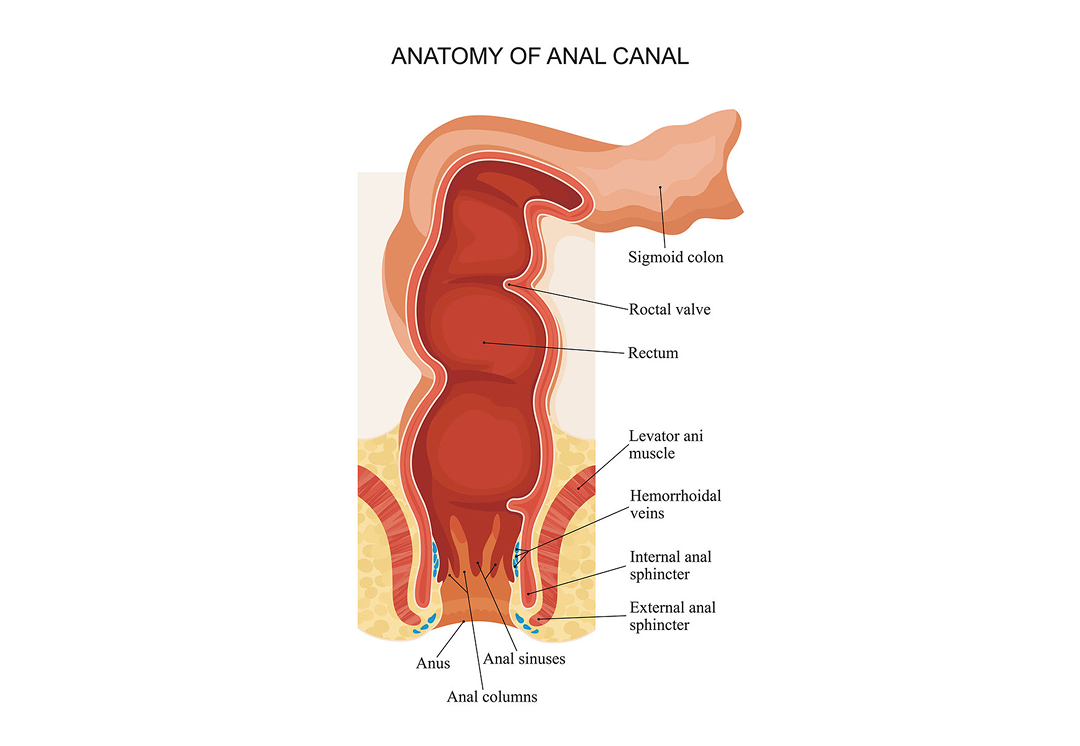 |
Anal Cancer develops in the opening of the rectum (the anus). Though less common, it can cause symptoms such as bleeding, pain, or changes in bowel habits. Anal cancer is often treated with a combination of radiation and chemotherapy and has high success rates when found early. |
| Rectal Cancer begins in the last several inches of the large intestine, just before the anus. It’s often grouped with colon cancer as “colorectal cancer” because they share many similarities in symptoms, screening, and treatment. However, rectal cancer sometimes requires more localized therapies, such as targeted radiation or surgery tailored to the rectum’s structure. | 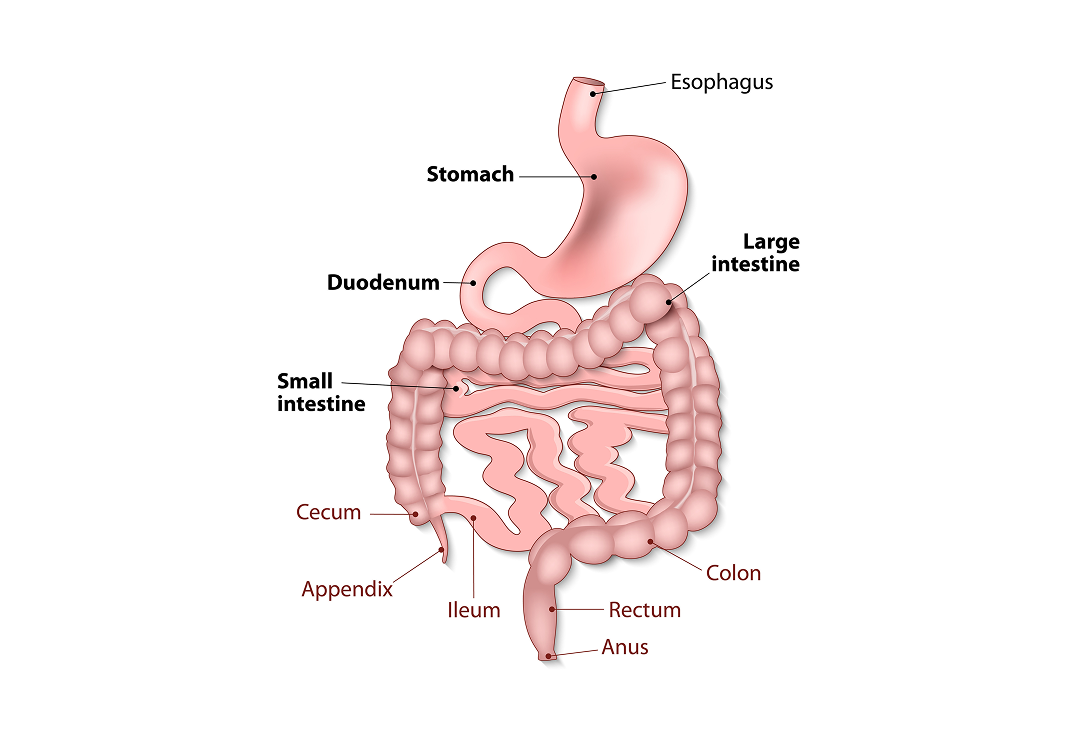 |
Find Care
Our colon cancer specialists are here to guide you through every step of your care. From early diagnosis to advanced treatment and recovery, we offer personalized support designed around your needs. Find a location near you or meet our expert care team to get started.
Our Locations
We offer locations across the DFW metroplex so you can receive leading cancer care and support close to home.
Our Care Team
Get to know the compassionate experts who guide your care with a whole-person approach—spirit, mind, and body.
Request an Appointment
Contact us to request an appointment or ask a question below. For emergencies call 911 or visit your nearest hospital.