
Founders
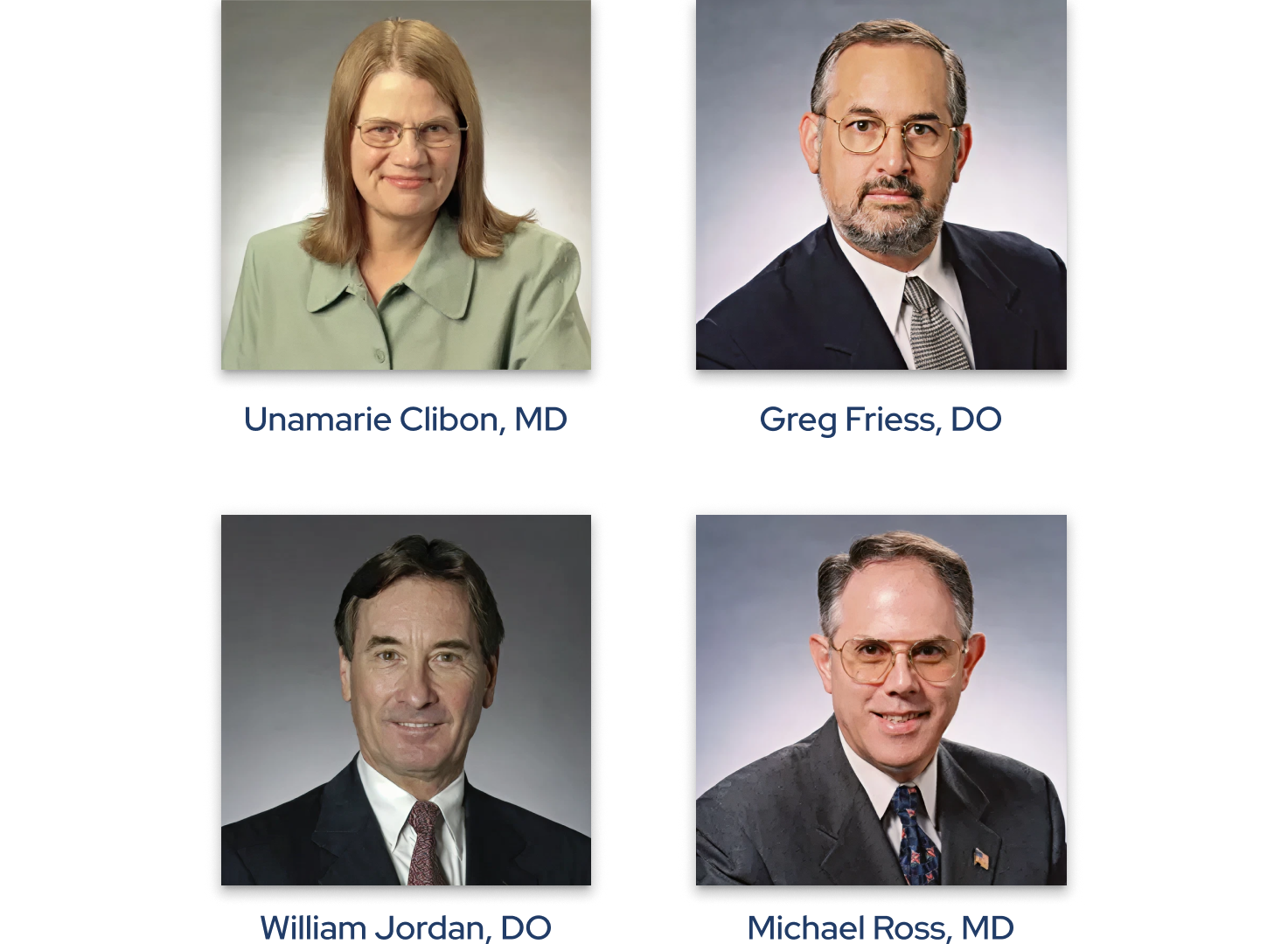
The Founding
The partnership came about over dinner with Dr. Allen Brady who had been tasked by Harris Methodist to begin a cancer program for the hospital. After a few more meetings, the four physicians decided to combine practices as Oncology Hematology Consultants, PA.
This collaboration was the first of its kind in North Texas because the physicians were a mix of MDs and DOs. This was an opportunity to create a new model of medical practice, a community-academic partnership that would raise standards of care.
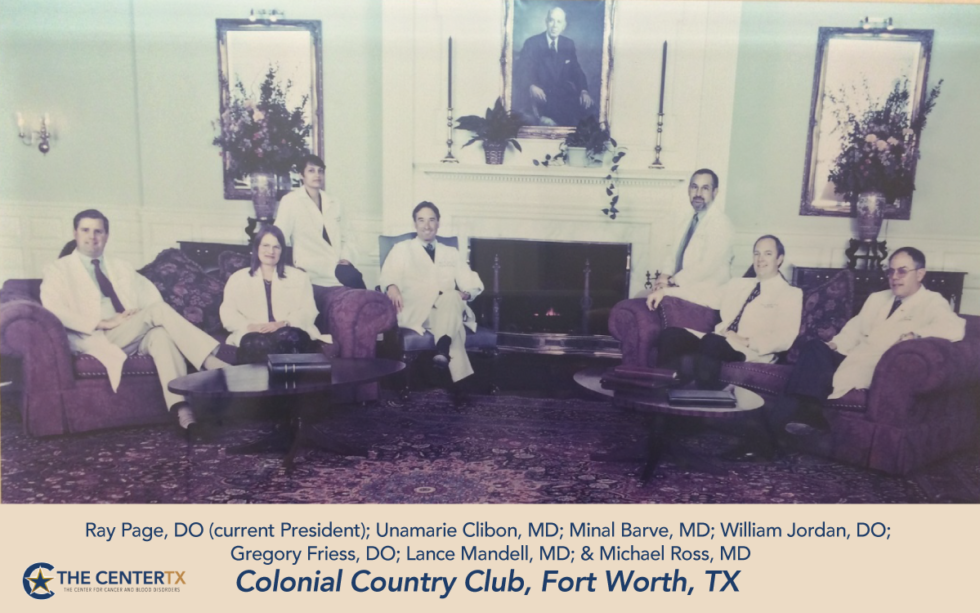
The Early Years
They soon moved into a small office in the hospital. Starting with no money, Dr. Jordan took on the dual role of doctor and chief administrator. Dr. Ross kept the books on his home computer. Eventually, they hired a bookkeeper and few employees.
By 1995 the practice had expanded to three more locations. Each Tuesday the partners would invite other healthcare workers in the community to discuss a case in a “tumor board” style meeting.
During the early ’90s the Moncrief Cancer Center was built and endowed a grant from MD Anderson. Oncology / Hematology physicians were asked to join and moved their office there for around 4 years.
A new name came with the move, Texas Cancer Care.

Building a Home
As the practice continued to grow, it was decided that another name change was in order to The Center for Cancer and Blood Disorders. With the name change, it was decided that the practice needed a place to call home permanently.
The search began for land and property that we could build a premiere community cancer center. In the early 2000s we found the perfect location in the heart of Fort Worth’s Medical District, 800 W. Magnolia Ave.
We gathered a group of patients and asked them what they would like to see in a cancer center. Things we didn’t think of like, mirrors in exam rooms to adjust their wigs to no phone ringing in the lobby, to the piano playing as you walked in. T
These were all things that we use to create the “premiere” cancer center in the region.
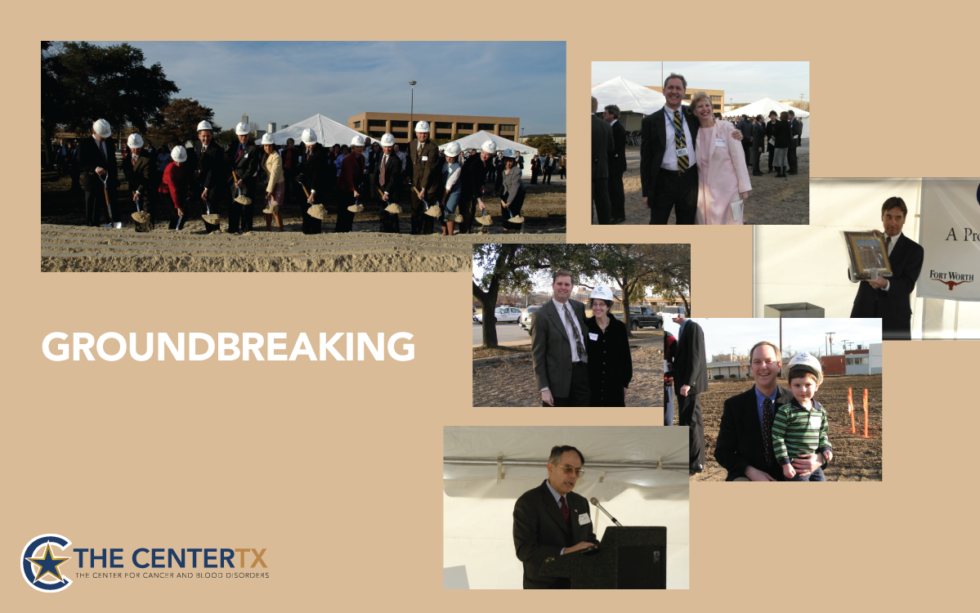
Ground Breaking
Doctors, their families, members of the press, and the community gathered together to begin this exciting new chapter for The Center for Cancer and Blood Disorders.
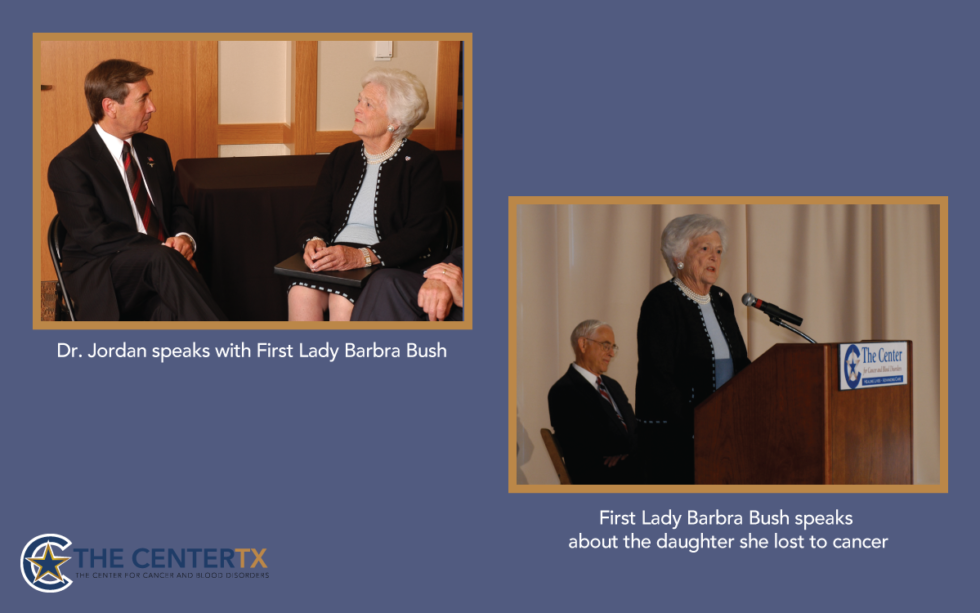
Grand Opening
A year later The Center’s main campus opened to patients with an incredible Grand Opening Celebration. We invited former First Lady Barbara Bush to give the keynote address. She shared the story of her daughter, Robin, that she lost to leukemia at the age of three.
It was a fantastic day for The Center to be surrounded and supported by the community that helped build this new home.
Latest News, Events & Insights

Advances in breast cancer care are making treatment increasingly personalized, giving care teams more information about individual cancers and which therapies may be most effective. Today, a breast cancer diagnosis can involve much more than identifying the location and stage of a tumor. Physicians can also evaluate the biological and molecular characteristics of the cancer to help guide treatment decisions.During breast cancer awareness month, conversations often focus on screening and early detection. Those remain critically important, but awareness can also include understanding the progress being made in how breast cancer is diagnosed, treated, and managed. From genetic testing and targeted therapies to immunotherapy and survivorship care, continued advances are helping shape a more individualized approach to breast cancer.
Published Date: October 1, 2026

This September, I am honored to join the gynecologic oncology team at The Center for Cancer and Blood Disorders, serving patients and families throughout the Dallas-Fort Worth area.A cancer diagnosis can be one of the most difficult experiences in a woman's life. My goal is to walk alongside my patients every step of the way, ensuring they feel heard, understand their options, and feel empowered to make decisions about their health.
Published Date: September 29, 2026
Cervical Cancer, Fallopian Tube Cancer, Ovarian Cancer, Primary Peritoneal Cancer, Uterine Cancer, Vaginal Cancer, Vulvar Cancer
When most people hear the word cancer, they picture urgency. A diagnosis, a treatment plan, and a race to get ahead of it. For many cancers, that picture is accurate. But for blood cancers, the story is more varied than most people realize, and understanding that variation can change how patients and families experience a diagnosis from the very first conversation.Some blood cancers are aggressive and require treatment to begin within days or weeks. Others are slow-moving by nature, and the right approach is not to treat immediately but to watch carefully, sometimes for months, sometimes for years, before any intervention is needed. Both of these paths are legitimate. Both are evidence-based. And both require a care team that understands the difference.September is Blood Cancer Awareness Month. It is a good time to talk honestly about what blood cancer actually is, why it does not follow a single script, and what patients and caregivers can expect when they walk through the door at The Center for Cancer and Blood Disorders.
Published Date: September 9, 2026